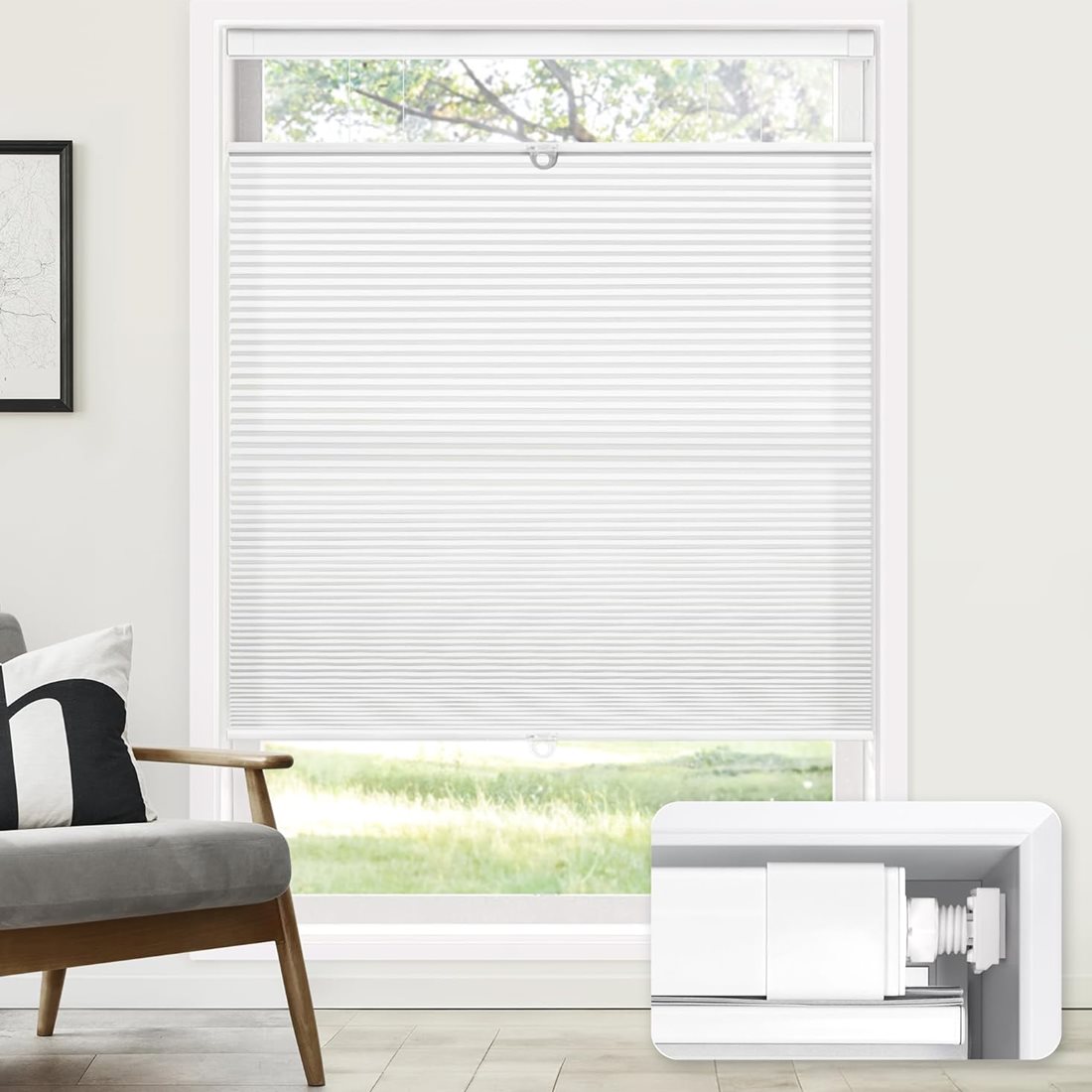
The numbers that matter
- Install time
- ~30 seconds (spring rod) · ~1 minute (adhesive roller)
- Tools required
- None. Scissors only if you trim the roller
- Mount type
- Inside mount, recess ≥ 1.5" deep
- Width deduction
- 2/5" (cellular, mini, bamboo) · 3/8" (TDBU)
- Spring-rod travel
- Up to 1" of extension for a tight grip
- Top rail load
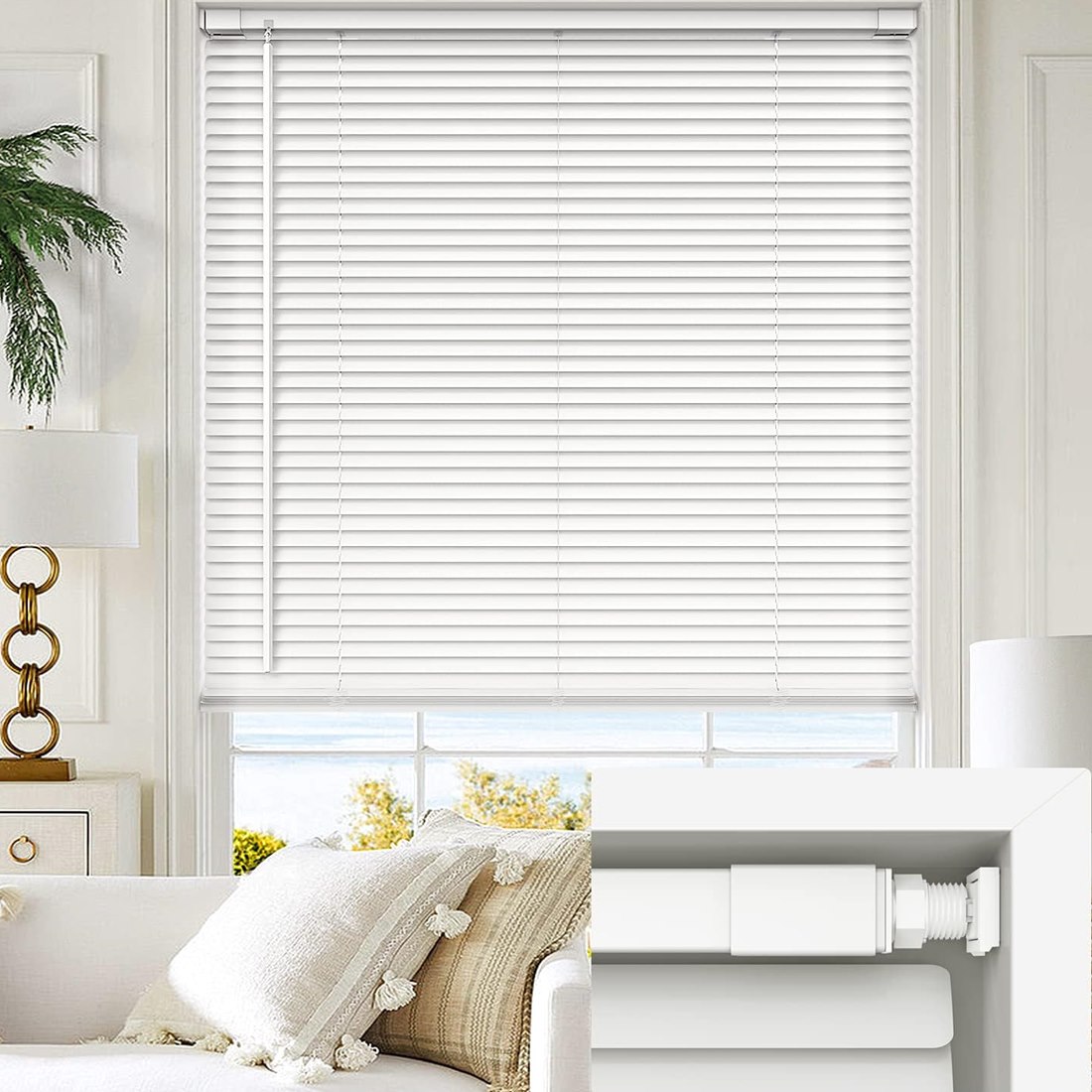
- Up to 30 kg on the vinyl mini's metal rail
- Cell size
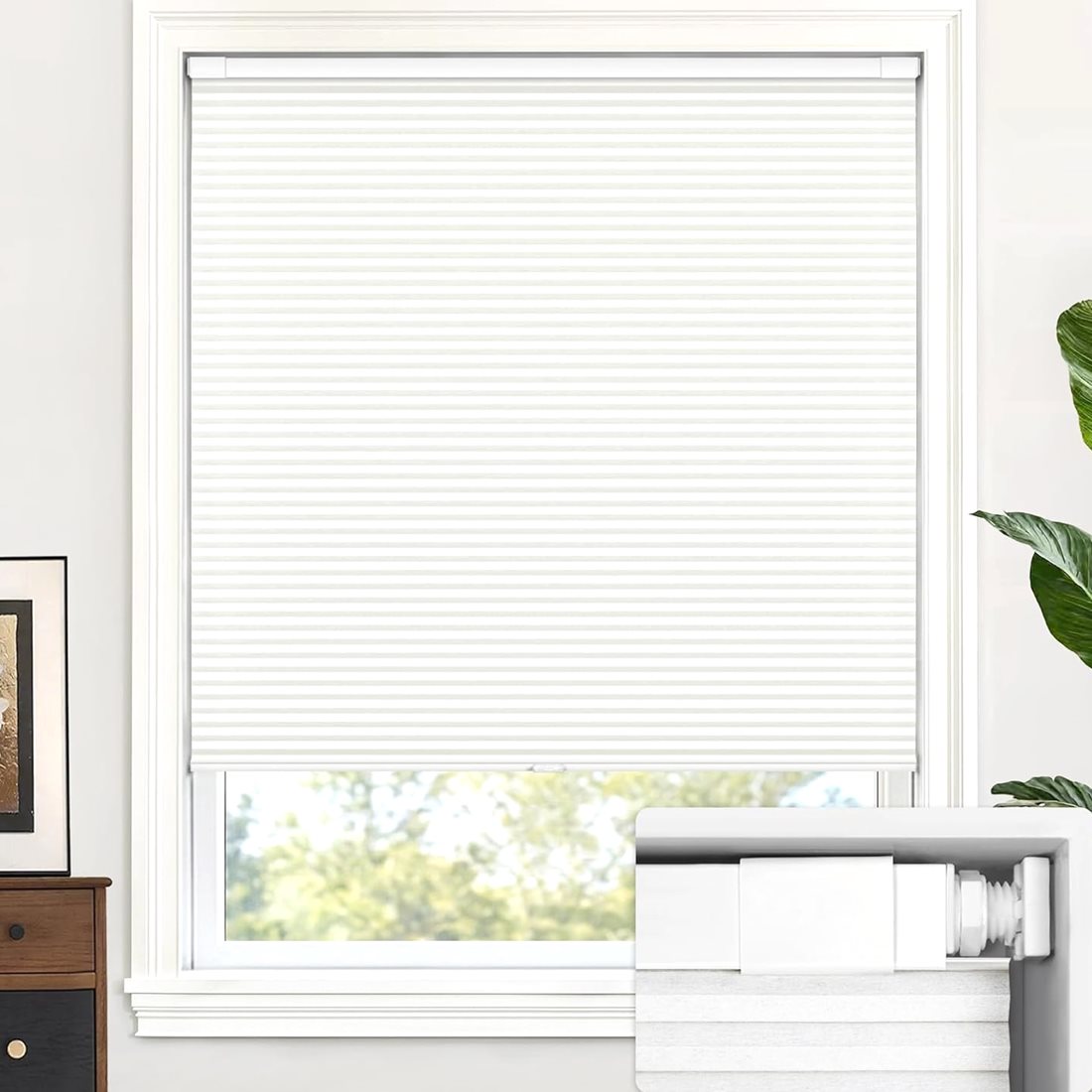
- 3/5" single-cell honeycomb
- Light control
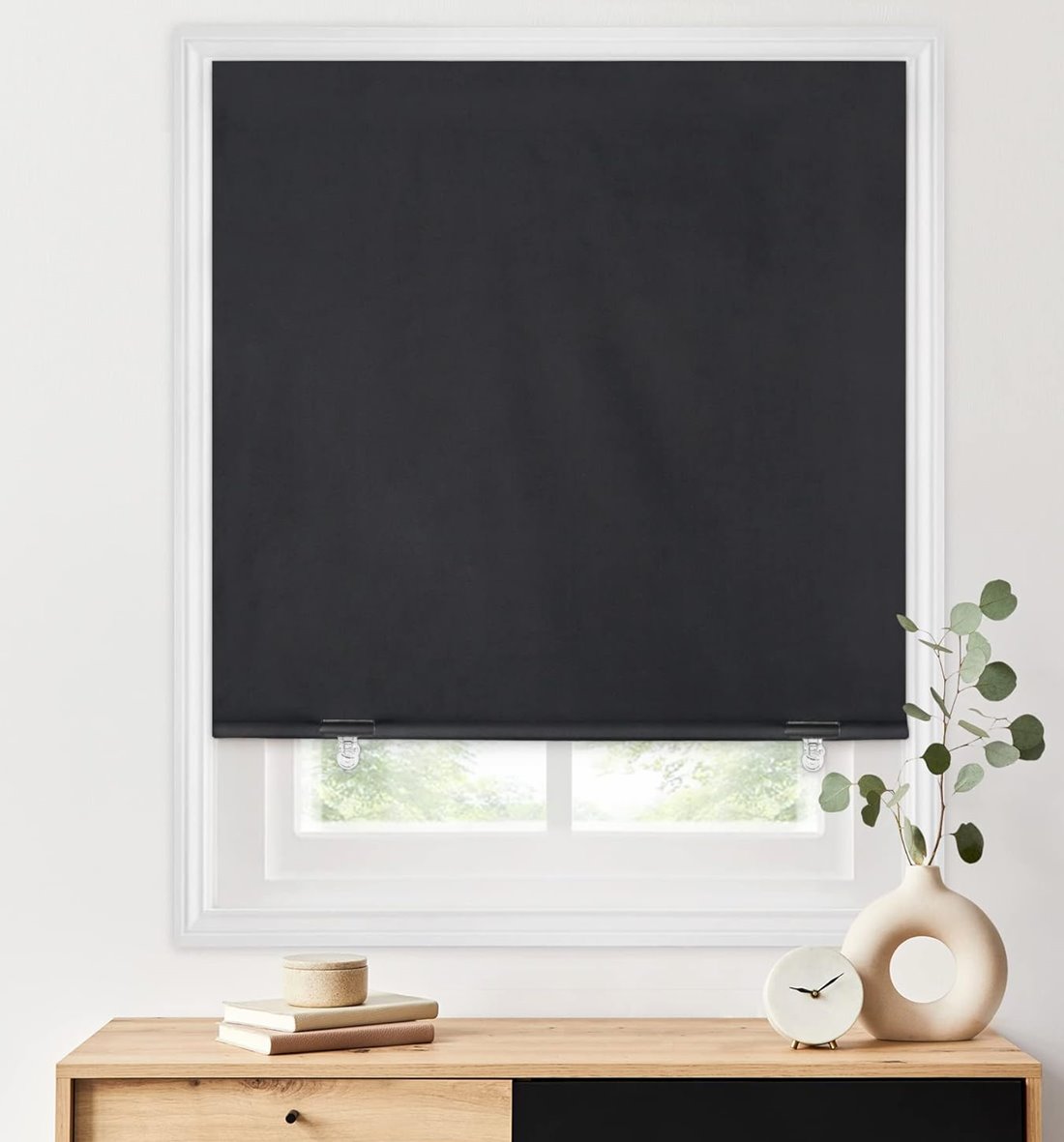
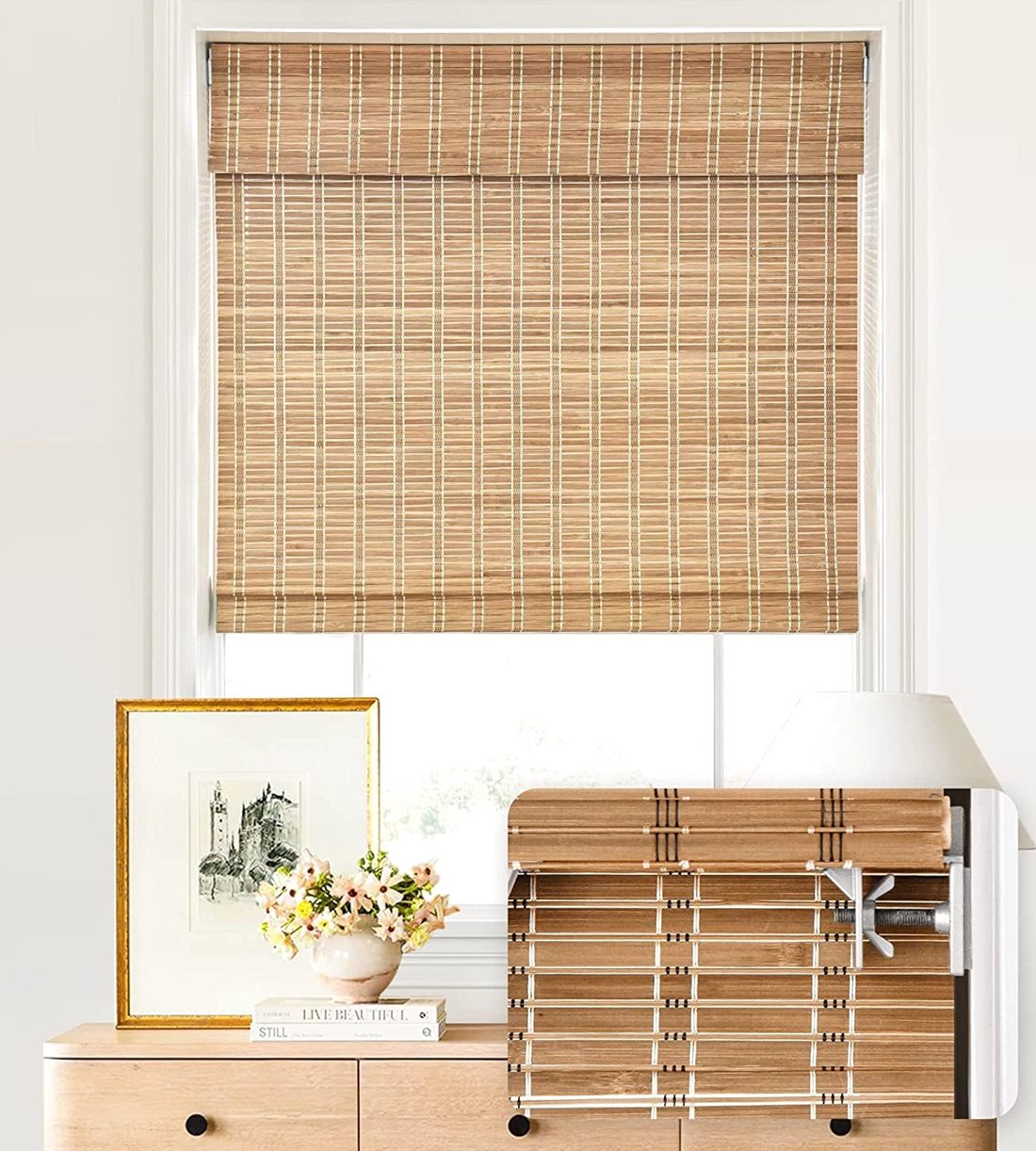
- Blackout (roller) · filtering (cellular, bamboo) · adjustable slats (mini)
- Cords
- None on any model — the whole line is cordless
- Materials
- Polyester, vinyl, natural bamboo
- Wall surfaces
- Wood, tile, marble, concrete, no anchors needed
- Combined ratings
- 10,321 across five products, 4.0–4.7 stars
Why "no drill" became the whole brand
LazBlinds started with a complaint every renter knows: the window needs a shade, the lease says no holes, and the tension rods at the hardware store are built for shower curtains, not blinds. The founding team's answer was to redesign the mount itself: a spring rod strong enough to carry a real honeycomb shade, sized precisely to standard window recesses.
That one idea set every rule that followed. Inside mount only, because that is where a spring rod works. Cordless everything, because if you are rethinking blinds you don't keep the part that tangles. Honest deduction numbers printed right on the listing, because a no-drill mount lives or dies by the measurement. Five million-plus windows later, the catalog has grown, blackout rollers, bamboo romans, top-down-bottom-up cells, but every product still passes the same test: could you install it in a rental on a Sunday and get the deposit back on move-out day?
Questions we actually get
Will these really hold without screws?
Yes, within their limits. The cellular and TDBU shades wedge a spring-loaded rod against the inside of the frame, the roller uses industrial hook-and-loop tape, and the mini blinds sit on a tension top rail rated to 30 kg. What they need is a firm inside frame surface: crumbly plaster or peeling paint will let any tension mount slip.
I rent. Will installing these cost me my deposit?
That is the whole reason the line exists. Nothing is drilled, screwed, or nailed. The spring-rod models leave no trace at all; the roller's adhesive strip peels off cleanly if you warm it with a hair dryer first and pull slowly.
How do I pick the right width?
Measure the inside of the frame in three places, top, middle, bottom, and use the narrowest number. Then run it through the Fit Check tool on this page: it applies each model's factory deduction and the spring-rod travel so you know exactly which order width fits your opening.
What does "inside mount only" mean?
These shades live inside the window recess, gripping the frame from within. There is no bracket to screw above the window, so an outside (wall-face) mount is not an option. Your recess needs to be at least about 1.5" deep for the shade to sit flush.
Blackout or light filtering, which do I want?
The blackout roller blocks essentially all light and is the pick for bedrooms and shift sleepers. Light-filtering models (cellular, bamboo, mini) soften and diffuse daylight but do not black out a room. Plenty of buyers put a blackout roller behind a bamboo shade, function inside, texture outside.
Can I shorten a shade that is too long?
Height is rarely a problem: cordless shades simply stop where you leave them, and extra material stays rolled or stacked. Width is what has to be right. The blackout roller is the exception that trims — you cut its fabric and rail to width at home.
Do the cellular shades actually save energy?
The honeycomb cells trap a layer of still air against the glass, which measurably slows heat crossing the window in either direction. It will not replace insulation in your walls, but on a big single-pane window the difference is real: that air gap is the same principle as a double-glazed unit.