Materials
Polyester, Vinyl, and Real Bamboo: What Your Shade Is Actually Made Of
The word "blinds" hides five very different materials, and each one behaves differently the moment sunlight hits it. Here is what is really in the shade on your window: how it filters light, how long it lasts, and which room it was built for.
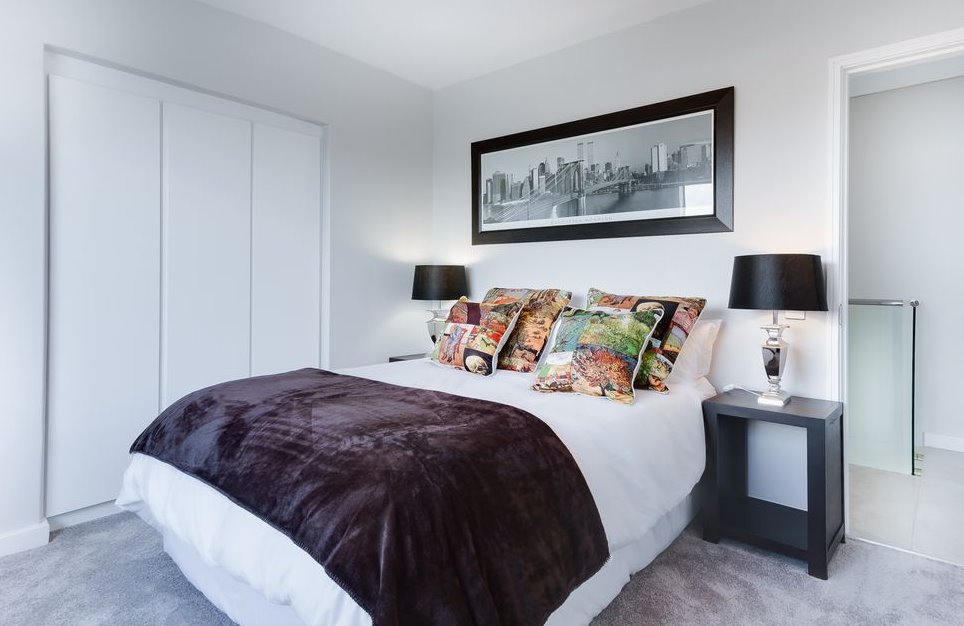
Walk into any hardware store and ask for "blinds" and you will be pointed at a wall of boxes that all look roughly the same. They are not. Behind the identical packaging sit at least five genuinely different materials, woven polyester, coated blackout fabric, extruded vinyl, bonded honeycomb, and split natural bamboo, and the only way to choose well is to understand what each one does when the sun comes up.
This is the guide I wish every buyer had before they ordered. It walks through the materials in the LazBlinds lineup one at a time: what the stuff actually is, how it treats light, how it ages, how you clean it, and the room it quietly wants to live in. No material here is "best." A blackout roller in a home office is a mistake, and a bamboo shade in a bedroom is a different kind of mistake. The trick is matching the fiber to the window.
Start with the only question that matters: what do you want light to do?
Every shade material is really just an answer to one question — when daylight arrives, do you want it blocked, softened, or adjustable? Get that answer first and the material almost picks itself.
Blocked means a dark room at noon: bedrooms for shift workers, nurseries, a media wall where glare kills the picture. Softened means the light still comes in but loses its hard edge: it fills the room evenly instead of throwing a bright stripe across the floor. That is what most living rooms and kitchens actually want. Adjustable means you decide minute to minute, tilting slats from open to closed as the day and the neighbors move.
Hold those three words in mind. Every material below is good at exactly one of them and mediocre at the others, and the marketing rarely says so out loud.
Coated polyester: the blackout workhorse
The 100% Blackout Roller Shade is built from a woven polyester base with an opaque coating bonded to the back. Polyester on its own is not dark. A plain curtain-weight polyester lets plenty of light through. What makes a roller "100% blackout" is the coating: a layer of acrylic foam or a triple-pass film that seals the weave so no pinholes of light survive. Hold a good blackout fabric up to a bare bulb and you should see nothing. No glow, no weave pattern, nothing.
That coating does three jobs at once. It stops light, it reflects a meaningful share of solar heat back out the window before it becomes room warmth, and it blocks essentially all the UV that fades your floors and furniture. The trade-off is honesty: a true blackout fabric is a light switch, not a dimmer. It is dark or it is up. There is no gentle in-between. Hence it belongs in a bedroom and not a living room.
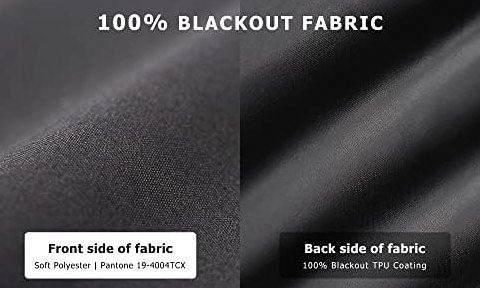
Two things about the roller surprise people. First, it trims. Most shades are fixed at the width you order, but the blackout roller is designed to be cut down at home with ordinary scissors, fabric and rail together, so an odd 34-and-a-bit-inch window is no longer a problem. Second, it mounts on adhesive hook-and-loop tape rather than a spring rod. It is why it is the one product in the range that does not need a window recess at all: it will stick to a flat frame face. If your opening is shallow or non-standard, this is often the answer. When you are ready to measure, the Fit Check tool has a dedicated trim-to-width path for exactly this shade.
Cleaning coated polyester
Wipe only. A damp microfiber cloth and, if needed, a drop of dish soap. Never machine-wash a blackout roller. The agitation cracks the coating, and a cracked coating is a shade full of pinhole leaks. Dust it every few weeks and it will outlast several repaints of the room.
Nonwoven polyester in honeycomb form: the insulator
The Cordless Cellular Shade and the Top Down Bottom Up Cellular Shade are also polyester, but a completely different kind and completely different job. Here the fiber is a soft, nonwoven polyester, closer to felt than to fabric, pleated and bonded into rows of hexagonal cells. Look at a cellular shade edge-on and you see the honeycombs: little six-sided tubes running side to side across the whole width.
Those tubes are the entire point. Each cell traps a column of still air against the glass, and still air is one of the cheapest insulators there is. It is the same principle as a double-glazed window or a puffer jacket: the material barely matters, the trapped air does the work. In summer the cells slow the sun's heat coming in; in winter they slow your heating going out through cold glass. Buyers in Arizona and buyers in Vermont report the same thing from opposite directions, which is about as good a real-world proof as insulation gets.
| Cell type | Light | Insulation | Best for |
|---|---|---|---|
| Single-cell honeycomb (LazBlinds) | Soft, even filtering | Strong for the price: one air layer | Most rooms; renters wanting warmth + privacy |
| Double-cell honeycomb | Similar filtering | Marginally higher R-value, bulkier stack | Extreme climates, larger single-pane windows |
| Blackout-lined cell | Room-darkening | High, but heavier | Bedrooms that also want insulation |
The light-filtering cellular fabric does the "softened" job better than almost anything. It glows rather than glares. The top-down-bottom-up version adds a genuinely useful trick: because it opens from the top as well as the bottom, you can drop the top rail to let sky and daylight pour in over the shade while the lower half still hides your living room from the sidewalk. Ground-floor apartments and street-facing bedrooms were basically waiting for this design. It is covered in more depth in our guide to how no-drill shades compare to the alternatives.

Vinyl: the tough, cheap, wipe-clean slat
The 1" Vinyl Mini Blinds is the oldest idea in the catalog and still one of the most useful. Vinyl, technically PVC — is extruded into thin one-inch slats that tilt on a wand. It is the only material in the range that gives you true adjustability: rotate the slats open for full brightness while you cook, closed flat when the neighbors fire up the grill, anywhere in between the rest of the time.
Vinyl's real virtues are unglamorous and exactly what a kitchen or bathroom needs. It shrugs off moisture, so steam and splashes do nothing to it. It wipes clean with a damp cloth: no fabric to stain, no weave to trap grease. And it is cheap, which means you can put one over the sink without feeling precious about it. The metal head rail on the LazBlinds version is rated to hold serious weight, and the slats sit on that rail without a single screw in the wall.
The honest limits: vinyl is a harder, more utilitarian look than fabric or bamboo, and in a window that bakes in direct afternoon sun for years, cheaper vinyl can eventually warp. It filters and adjusts light well; it does not insulate the way a honeycomb cell does, and it does not blackout the way a coated roller does. It is the practical pick, and it is priced like one at $24.99.
The moisture rule
Vinyl is the only material here I would put in a bathroom without hesitation. Bamboo will eventually mildew in a steamy, unventilated room; nonwoven polyester cells can hold damp; a blackout coating does not love constant humidity. Vinyl simply does not care. Kitchen and bath, reach for the slats.
Natural bamboo: the one that is alive
The Bamboo Roman Shade is the outlier, and the one people fall for. It is not fabric and not plastic: it is real bamboo, harvested, split into thin slats, dyed, and woven into a roman-fold shade. Because it is a natural material, it behaves like one. The slats are not perfectly identical. Small gaps sit between them. And the color varies from batch to batch, because the dye is soaking into living fiber rather than being printed onto a uniform sheet.
Every one of those "imperfections" is the feature. The small gaps are what turn hard sunlight into a woven pattern of warm light on the wall, in a west-facing room on a summer evening, a bamboo shade paints the place amber in a way no manufactured fabric reproduces. The batch variation means your shade is genuinely a little bit unique. The listing says so plainly, and it is worth repeating here: if you need an exact, repeatable color match across four windows ordered months apart, bamboo is the wrong material and you should not be annoyed when it does its natural thing.
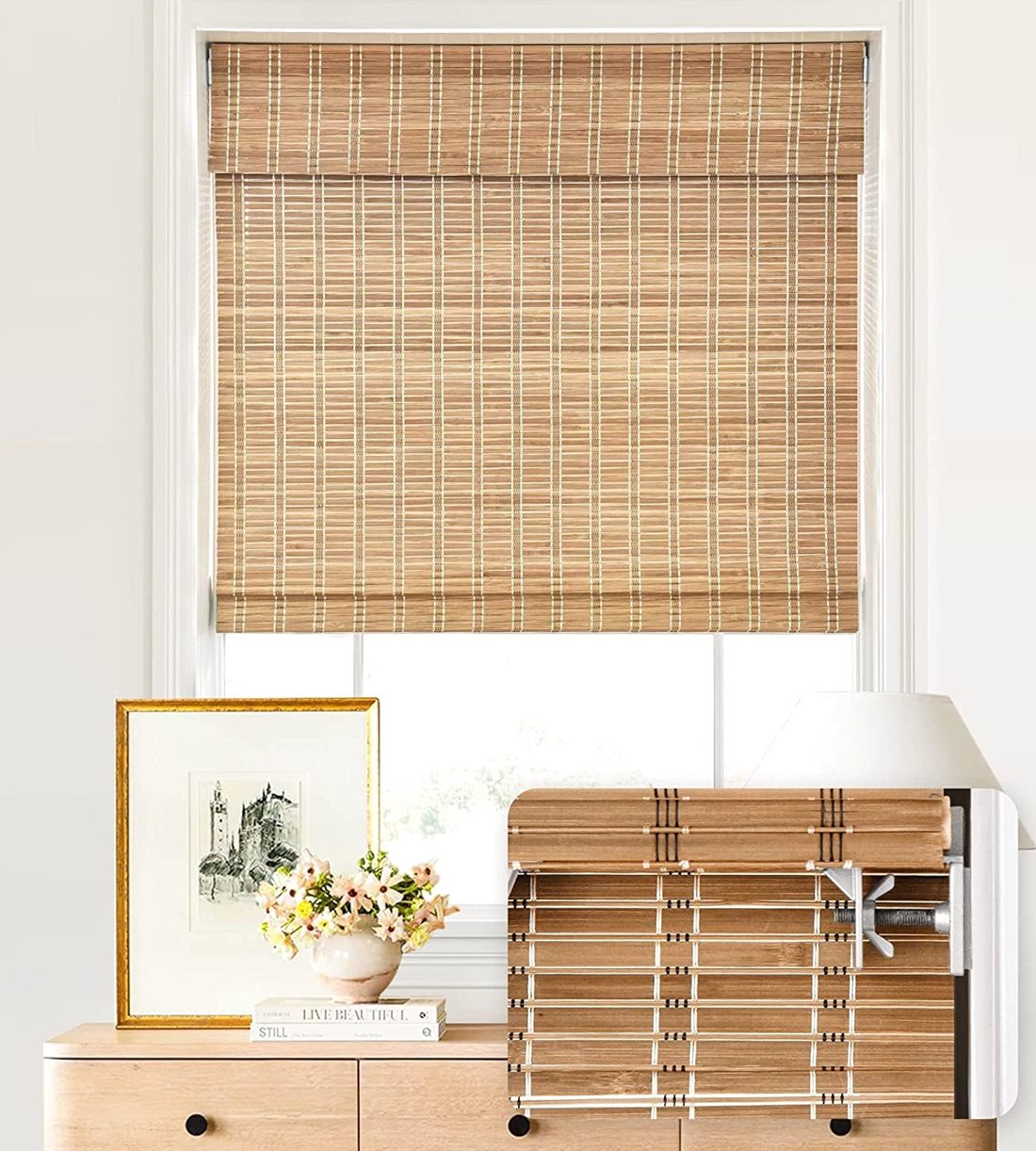
Bamboo filters light beautifully and blocks it poorly. On its own it will never darken a room. That is the reason a lot of buyers pair it with something opaque: a bamboo shade for texture and daytime warmth, a 100% Blackout Roller Shade mounted behind it for the nights. That layered approach, decorative filter in front, functional blackout behind, is one of the most common setups our support inbox recommends, and both layers still go up without a drill.
On sustainability, bamboo has a real story rather than a marketing one. It is a grass, not a hardwood; it regrows in a handful of years rather than decades, and it does so without replanting. That does not make a bamboo shade weightless on the planet — it is still cut, dyed, shipped, but as natural window materials go, it is among the more defensible.
The mechanism is a material too: going cordless
It is easy to obsess over the fabric and forget that the moving parts are also a material decision. Every shade in the LazBlinds range is cordless, and that is not a styling choice. It is a safety one. Corded blinds have a long, grim record with young children and pets, and in recent years the industry has moved hard toward cordless designs for stock window coverings. The looped cord that used to dangle beside every blind is disappearing on purpose.
Cordless shades replace that loop with an internal mechanism: a spring or a friction lock inside the head rail that holds the shade wherever you leave it. You lift or lower by hand and it simply stays. Fewer parts to tangle, nothing for a toddler to reach, and a cleaner line down the window. The one habit to build: lift and lower from the center of the bottom rail, evenly, rather than yanking one corner — even the best cordless mechanism lasts longer when it is not racked sideways every day.
How much light actually gets through: the "openness" idea
There is a number the window-covering trade uses that never makes it onto consumer packaging, and it clears up a lot of confusion: openness factor. It describes what percentage of a fabric is, in effect, holes — the gaps in the weave that let light and view straight through. A 0% openness fabric is opaque; a 10% openness fabric is a loose weave you can partly see through. It is worth understanding even in rough terms, because it maps almost perfectly onto that blocked-softened-adjustable question from the top of this guide.
A blackout roller sits at effectively 0% openness: the coating seals the weave completely. A light-filtering honeycomb cell is low-openness but not zero: it is closed enough to give you privacy and diffuse the light, but the fibers themselves let a soft glow pass. It is why the room stays bright without glare. Bamboo is the high-openness end of the range, with real gaps between the slats. It is why it filters beautifully and blocks poorly. Vinyl slats are a special case. Their openness is adjustable, swinging from nearly closed to wide open as you tilt the wand.
Two practical consequences fall out of this. First, openness and privacy trade off against each other in daylight but flip after dark: a low-openness shade that hides your room by day can still show silhouettes at night when the light is behind you, which is worth knowing before you put a filtering shade on a ground-floor bedroom. Second, "room darkening" and "blackout" are not synonyms, however the boxes are labeled. Only a true 0%-openness coated fabric, the 100% Blackout Roller Shade here, actually blacks a room out. Everything sold as "room darkening" is really low-openness filtering, and it will still be noticeably light at noon.
How long each material lasts, honestly
Nobody wants to re-shade their windows every couple of years, so lifespan matters as much as looks. Here is what to actually expect from each material with normal indoor use: not a warranty statement, just the honest arc of how these things age.
| Material | Typical lifespan | What eventually fails | What extends it |
|---|---|---|---|
| Coated blackout polyester | Many years | Coating cracks if flexed or washed | Wipe-clean only; never machine wash |
| Nonwoven honeycomb | Many years | Cell bonds sag if low quality; dust buildup | Even lifting from the center; occasional vacuum |
| Vinyl slats | Years; longest in shade | Warping in years of direct hot sun | Keep clear of the hottest west windows |
| Natural bamboo | Years indoors | Fading and mildew in damp/UV extremes | Ventilation; avoid steamy bathrooms |
The pattern across the whole table is that these materials rarely die of old age: they die of the wrong room or the wrong cleaning. A blackout roller thrown in a washing machine is ruined in one cycle; the same roller wiped with a damp cloth outlives the paint on the wall. Bamboo in a windowless steamy bathroom will eventually spot with mildew; the same shade in a dining room lasts for years. Match the material to the room using the summary table below and you remove most of the ways these shades fail.
Layering: when one shade is not enough
Some windows genuinely want two materials, and the no-drill approach makes layering unusually easy because neither layer needs hardware. The classic pairing is a decorative filter in front and a functional blocker behind: a Bamboo Roman Shade for daytime warmth and texture, with a 100% Blackout Roller Shade mounted behind it for true darkness at night. By day you see the bamboo; by night you pull the roller down behind it and the room goes dark. Bedrooms that also happen to be the nicest-looking room in the apartment are the usual candidates.
A second common pairing is insulation plus softness: a honeycomb cellular shade on the glass for the trapped-air warmth, with simple curtains outside it for the fabric look and to cover the window edges the shade cannot. In a cold-climate rental with big single-pane windows, that combination does real work on your heating bill while still looking like somewhere a person lives rather than an office. Because the shade mounts inside the recess and the curtains hang outside it, the two never fight for the same space.
Keeping them clean, material by material
Cleaning is where good shades get accidentally destroyed, so it earns its own section. The rules are short but they differ by material, and following the wrong one, washing a coated roller, soaking a bamboo weave, does more damage in one afternoon than years of normal use.
Coated blackout polyester is wipe-only, always. A damp microfiber cloth handles dust; a drop of dish soap in warm water handles a mark. Never put it in a washing machine and never scrub hard. The coating is the only thing making it blackout, and cracked coating means pinhole leaks you cannot undo. Nonwoven honeycomb likes gentle vacuuming with a brush attachment along the cells, plus the occasional shot of compressed air to clear dust from inside the tubes; spot-clean marks with a barely-damp cloth and let it fully dry before raising it, because a damp cell that gets stacked shut can hold moisture. Vinyl slats are the easiest thing in the house: a damp cloth wiped along each slat, or even a quick wipe with a little soapy water, and they look new; this imperviousness is exactly why vinyl belongs in kitchens and baths. Natural bamboo wants the least water of all: dust it with a dry cloth or a vacuum brush, and if you must spot-clean, use a barely-damp cloth and dry it immediately, because sustained damp is what invites mildew into natural fiber.
The one habit that matters most
Whatever the material, lift and lower the shade from the center of the bottom rail, evenly, rather than dragging one corner. Racking a shade sideways day after day is the single most common way to wear out a cordless mechanism early and to stress the fabric unevenly. It costs nothing to do it right, and it adds years.
A shade also quietly changes the color of the light in a room, which is worth a thought before you commit. Warm materials, bamboo especially, but also cream and beige fabrics, push a room's light toward amber and gold, cozy in a living or dining room and lovely in evening sun. Cool whites and grays keep the light neutral and crisp, which suits a home office or a modern kitchen where you want to see true colors. It is a small effect, but you live inside it every day, so it is worth choosing on purpose rather than discovering by accident.
Putting it together: a material for every room
Here is the whole guide compressed into a table you can actually use while you shop. Match the room to the job, the job to the material, and you will not have to think about your windows again for years.
| Room | What light should do | Material to reach for | LazBlinds product |
|---|---|---|---|
| Bedroom / nursery | Blocked: dark at any hour | Coated blackout polyester | Blackout roller ($13.19) |
| Living room / family room | Softened + insulated | Nonwoven honeycomb | Cellular shade ($42.19) |
| Street-facing / ground floor | Sky in, privacy below | Honeycomb, top-down-bottom-up | TDBU cellular ($56.99) |
| Kitchen / bathroom | Adjustable + moisture-proof | Vinyl slats | Vinyl mini ($24.99) |
| Dining / west-facing feature window | Warm woven filtering | Natural bamboo | Bamboo roman ($78.99) |
None of this requires you to become an expert in textiles. It requires one honest answer, blocked, softened, or adjustable, and a tape measure. Once you know the material you want, run your window through the Fit Check tool so the width lands right the first time, and read how these shades are actually built if you want to understand why the spring-rod mount holds without a single hole in your wall.
The material on your window is a decision you make once and live with every single day for years. It is worth the ten minutes it takes to get it right.
Ready to measure your window? The Fit Check tool does the deduction math, or browse the full shade lineup.